If you’re a parent in West Sacramento wondering what actually happens during your baby’s teeth West Sacramentoing years, you’re not alone. Teething is one of the most talked-about milestones in early childhood. Yet many parents feel unsure about what to expect at each stage. At Pediatric Dentist West Sacramento Bubbles Dental, Dr. Kenechukwu Eze helps families navigate every step of this journey with confidence.
Understanding the Teething Timeline in West Sacramento
Teething typically begins around 6 months of age. However, some babies start as early as 3 months or as late as 12 months. Every child’s timeline is different, and that is completely normal. Knowing what to expect helps parents stay calm and prepared.
Most children will have all 20 primary baby teeth by age 3. These teeth erupt in a fairly predictable order. The lower front teeth usually arrive first. Then the upper front teeth follow shortly after.
Here is a general guide to the teething sequence your child will follow:
- 6–10 months: Lower central incisors (bottom front teeth) emerge first
- 8–12 months: Upper central incisors appear next
- 9–13 months: Upper and lower lateral incisors arrive
- 13–19 months: First molars push through the gums
- 16–23 months: Canine teeth fill the gaps between molars and incisors
- 23–33 months: Second molars complete the full set of 20 primary teeth
Sharing this timeline with your child’s dental team helps Dr. Eze monitor development closely. Early detection of delayed eruption or alignment concerns matters greatly.
What Your Baby Feels During Each Teething Stage
Teething can be uncomfortable for babies and stressful for parents. Understanding what your child experiences makes the process easier to manage. The discomfort usually peaks just before a tooth breaks through the gum surface. Once the tooth erupts fully, most symptoms ease quickly.
Common signs that teething is actively happening include:
- Excessive drooling around the chin and cheeks
- Increased chewing on fingers, toys, or other objects
- Swollen or tender gum tissue near the emerging tooth
- Mild fussiness or disrupted sleep patterns
- Slight increase in body temperature (not a true fever)
- Pulling at ears on the same side as a erupting tooth
High fever, diarrhea, or rashes are not normal teething symptoms. If your child shows these signs, contact your pediatrician right away. Dr. Eze always encourages parents to ask questions at every visit. No concern is too small when it comes to your child’s comfort.
How Bubbles Dental Monitors Your Child’s Teething Progress
The American Academy of Pediatric Dentistry recommends a child’s first dental visit by age one. At Bubbles Dental, Dr. Eze begins tracking tooth eruption from that very first appointment. Early visits build a clear picture of your child’s dental development. They also help establish a comfortable routine before any problems arise.
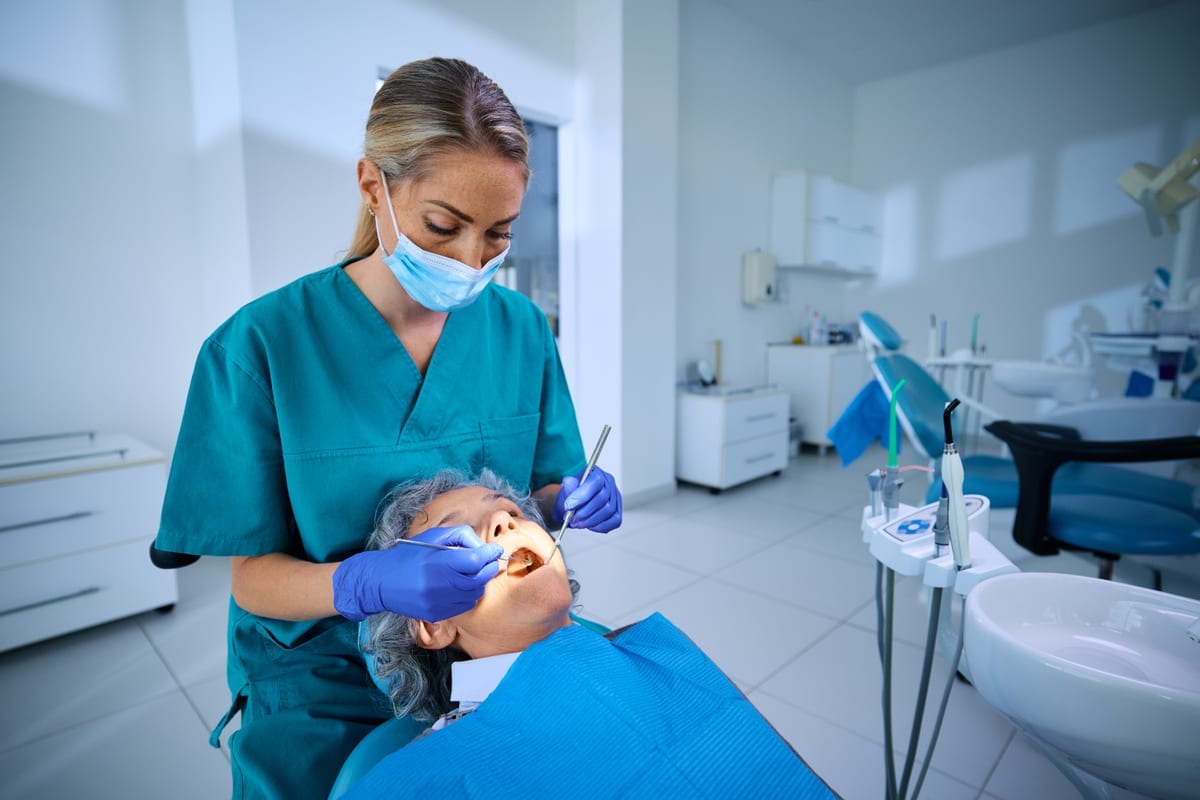
During each visit, the Bubbles Dental team follows a gentle, child-friendly process. Here is what happens at a typical monitoring appointment:
- Warm welcome: The team greets your child in a calm, friendly space designed for kids
- Parent check-in: Dr. Eze asks about any teething symptoms or changes you have noticed
- Visual exam: The doctor gently examines the gums and any erupted teeth
- Eruption mapping: Existing teeth are charted and compared to the expected timeline
- Cleaning and fluoride: Even baby teeth receive a gentle cleaning and fluoride protection
- Parent guidance: Dr. Eze shares specific tips based on your child’s current stage
This step-by-step approach removes guesswork for parents. It also ensures your child stays comfortable and trusts the dental environment from an early age. Positive early experiences reduce dental anxiety as children grow older.
Protecting Baby Teeth During the Teething Years
Many parents wonder why baby teeth need protection since they fall out anyway. The answer is simple: baby teeth hold space for permanent teeth. They also support proper speech development and healthy eating habits. Neglecting them can cause lasting problems down the road.
Dr. Eze recommends starting oral hygiene before the first tooth even appears. Wipe your baby’s gums with a clean, damp cloth after feedings. Once the first tooth erupts, use a rice-sized amount of fluoride toothpaste. Brush gently twice a day from that point forward.
Parents can also protect emerging teeth by making smart food choices. Avoid sugary drinks in bottles or sippy cups, especially at bedtime. Limit sticky or starchy snacks between meals. Offer water as the primary drink throughout the day.
If your child uses a pacifier or sucks their thumb, mention this to Dr. Eze. These habits can affect how teeth align as they erupt. Early guidance prevents more complex treatment later in childhood.
When to Call Your West Sacramento Pediatric Dentist
Some teething situations require professional attention right away. Knowing when to call Bubbles Dental saves parents unnecessary worry. Dr. Eze and the team are always available to help West Sacramento families make the right call.
Contact Bubbles Dental promptly if you notice any of the following:
- No teeth present by your child’s first birthday
- Teeth appearing in an unusual or crooked position
- Dark spots or discoloration on any baby tooth
- Bleeding gums that do not settle after a few minutes
- Your child refuses to eat due to mouth pain
- A tooth that seems loose before age 5
Early intervention is always easier than treating advanced problems. Dr. Eze takes a proactive approach with every patient at Bubbles Dental. Catching issues during the teething years means simpler solutions and healthier smiles long term.
Understanding what actually happens during your baby’s teething years in West Sacramento puts you in the driver’s seat as a parent. Dr. Kenechukwu Eze and the compassionate team at Bubbles Dental are here every step of the way. From the first gummy smile to a full set of baby teeth, you will never navigate this journey alone. Book Now to schedule your appointment with our team.
Frequently Asked Questions
When should my baby have their first dental visit during teething?
The American Academy of Pediatric Dentistry recommends scheduling your child’s first dental visit by their first birthday, or within six months of the first tooth erupting. Dr. Eze at Bubbles Dental uses this appointment to examine early teeth, guide parents on home care, and establish a baseline for tracking development throughout the teething years.
How can I soothe my baby’s teething discomfort safely?
A chilled (not frozen) teething ring works well to ease gum soreness. Gently rubbing your baby’s gums with a clean finger can also provide relief. Avoid numbing gels containing benzocaine, as these are not recommended for infants. Always ask Dr. Eze before using any teething product so you choose the safest option for your child’s age and stage.
Do baby teeth really need fluoride treatment if they fall out anyway?
Yes, absolutely. Baby teeth are vulnerable to decay just like permanent teeth. Fluoride strengthens the enamel on primary teeth and protects them throughout the teething years. Dr. Eze provides gentle fluoride treatments at Bubbles Dental to keep your child’s baby teeth strong, healthy, and cavity-free until the permanent teeth are ready to arrive.
Is it normal for teething to cause a slight fever?
A mild rise in body temperature is common during active teething. However, a true fever above 100.4°F is not caused by teething alone. If your child develops a high fever alongside teething symptoms, consult your pediatrician to rule out illness. Dr. Eze can help you distinguish between normal teething discomfort and signs that need medical attention.
What happens if my child’s teeth erupt in the wrong position?
Teeth sometimes erupt slightly out of alignment, especially during crowded growth phases. Dr. Eze monitors eruption patterns carefully at every visit in West Sacramento. Many minor alignment issues self-correct as neighboring teeth arrive. If a problem persists, early guidance from Bubbles Dental can prevent the need for more extensive orthodontic treatment later in childhood.