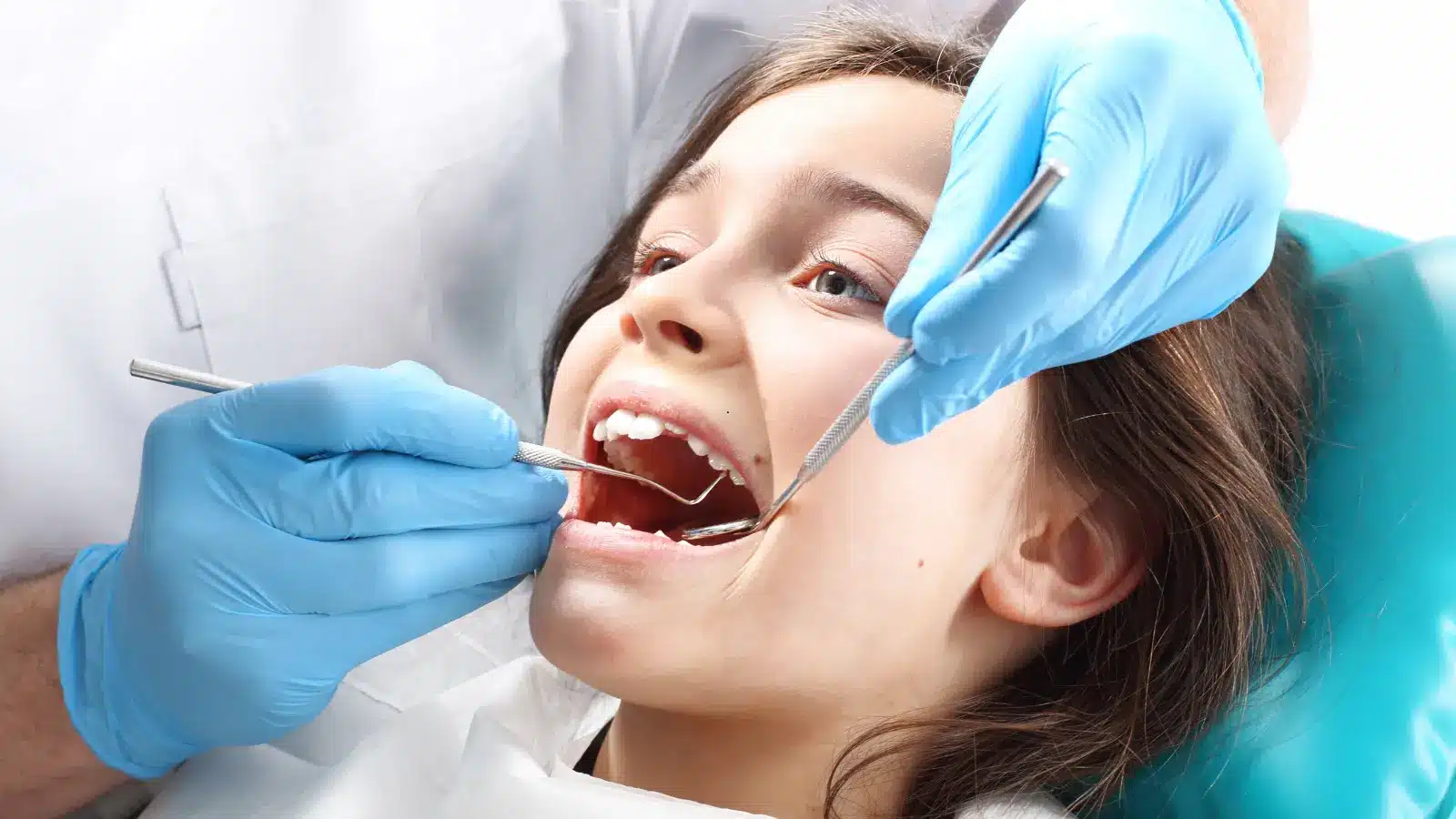
Getting a dental filling is common for kids, especially if they’ve had a cavity or two. The procedure itself doesn’t take long, but it’s normal to have a bunch of questions about what happens afterward. One thing parents always want to know: “When can my child eat or drink again?” Knowing what to expect makes recovery easier and helps the filling last.
Here’s what you need to know about what comes after your child gets a filling.
Understanding the Filling Process and Immediate Aftercare
Let’s talk about how fillings work. Dentists use them to fix teeth that have had cavities. They might use materials like composite resin, silver amalgam, or ceramic. Each type has its own aftercare routine, so following the dentist’s directions helps keep things on track.
Can Your Child Eat or Drink Right After the Procedure?
If your child got a composite filling (these are common and made from a tooth-colored resin), the dentist hardens the material with an LED light, so it’s set right away. Your child can eat or drink soon after, but avoid anything extremely hot or sticky for a few hours. The filling’s still settling in.
There’s a good reason for waiting. The dental filling needs time to settle and harden; otherwise, it might get loose or break. Also, your child’s mouth might still be numb from the dentist’s anesthetic. If they eat or drink before the feeling comes back, they could bite their cheek or lip without realizing it. That just adds more pain to the mix.
On top of that, biting down too hard on the new filling with a numb mouth can crack or shift it. If that happens, you’re looking at another trip to the dentist.
What foods and drinks should you avoid, even after the waiting period?
- Skip hot drinks and foods (like tea, coffee, soup) for the first day. That area’s sensitive, and heat can make things more uncomfortable.
- Sticky or chewy treats like gum or caramel are not a good idea for the next couple of days. They can loosen the new filling.
- Hard foods like nuts, popcorn, and ice put too much pressure on a fresh filling. Do not eat those until you know everything’s healed.
When can your child go back to eating normally?
Once the numbness is gone and you’ve waited the right amount of time, start with soft foods like mashed potatoes, yogurt, or pasta. If your child has a composite filling, they can usually go back to their regular meals after a few hours.
Eating and drinking are just one part of the recovery. Keep your child brushing gently around the filled tooth, and remind them not to poke at it with their tongue. If you notice ongoing pain or strange sensitivity, call your dentist.
Taking good care of a new filling helps your child stay comfortable and makes the filling last 10 to 20 years. Be patient through the healing process and don’t rush things. And if you’re worried about anything or just want some extra advice, give Bubbles Dental a call. We’re always here to help you and your child keep those smiles healthy.
FAQs
1. Can my child eat immediately after a filling?
No, it’s best to wait at least 1-2 hours after a dental filling before eating or drinking. Composite fillings can be used immediately, but avoid sticky or hard foods for the first few hours.
2. Are there any long-term aftercare tips for my child’s dental fillings?
Yes! Encourage your child to practice good oral hygiene, including brushing twice a day and flossing regularly. Visit the dentist for routine checkups to ensure the filling remains in good condition.
3. How do I know if my child’s filling is damaged?
Look for signs such as tooth sensitivity, pain, or a noticeable crack in the filling. If your child complains of discomfort, schedule a follow-up with your dentist to ensure everything is intact.
4. What should I do if my child bites down too hard on the filling?
If your child accidentally bites down hard on the filling, it could shift or break. Contact your dentist immediately for advice on next steps. They may need to replace or adjust the filling.