If your dentist has mentioned both crowns and veneers, you might wonder which one is right for your tooth. The question of crowns vs. veneers — which does your tooth actually need in Sacramento — comes down to clinical reasons, not aesthetics alone. Both options can improve your smile. But they solve very different problems. Understanding the distinction helps you make a confident, informed decision about your care.
What Is a Dental Crown and When Is It Used?
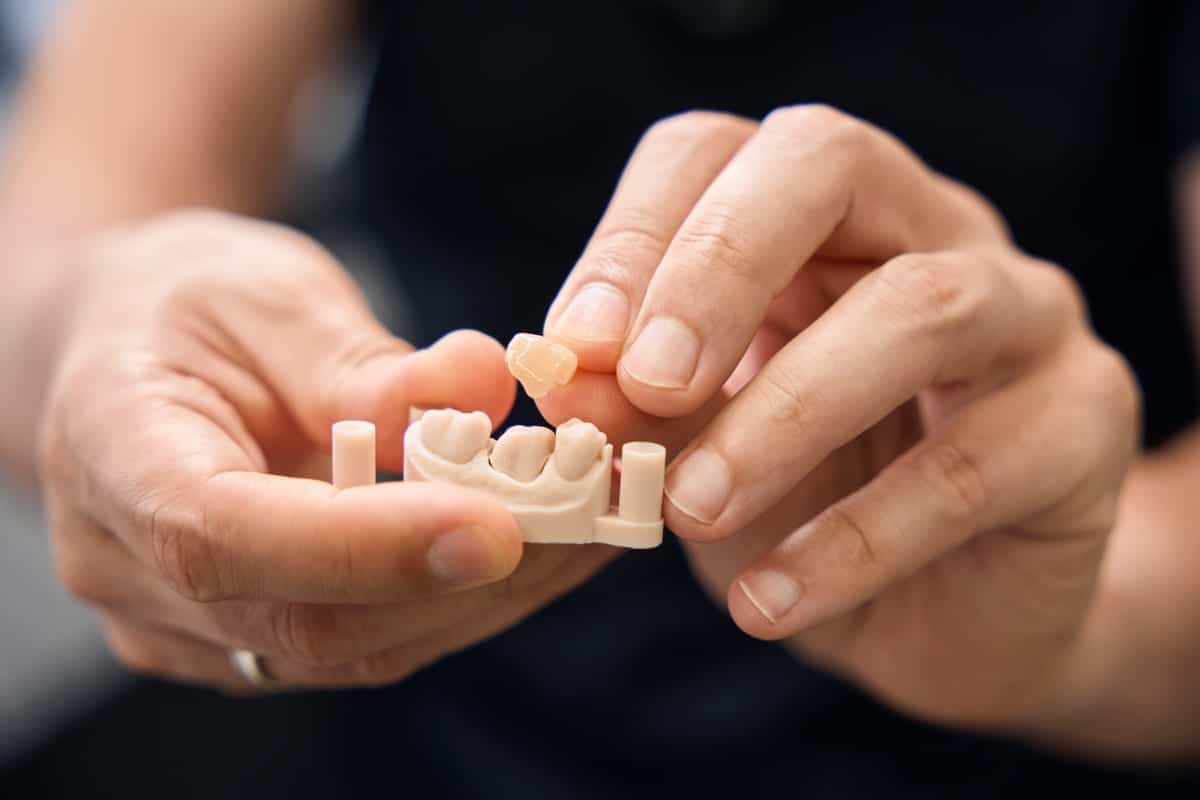
A dental crown is a full cap that covers the entire visible surface of a tooth. It extends from the gumline upward, encasing the tooth completely. Crowns restore a tooth that has lost significant structure or strength.
Dr. Kenechukwu Eze at Bubbles Dental typically recommends a crown in these situations:
- A tooth has a large cavity that a filling cannot properly support
- A tooth is cracked or fractured, especially after chewing or injury
- A tooth has undergone root canal treatment and needs protection
- A tooth is severely worn down from grinding or acid erosion
- A dental implant needs a visible, functional tooth on top
Crowns are about function first. They rebuild a tooth that can no longer support normal biting forces on its own. Aesthetics matter, but structural integrity is the primary goal.
What Is a Veneer and When Does It Make Clinical Sense?
A veneer is a thin shell — typically made from porcelain — bonded only to the front surface of a tooth. It does not wrap around the entire tooth. Veneers work best when the underlying tooth structure is largely intact and healthy.
A veneer is the right choice when the issue is cosmetic rather than structural. Common reasons Dr. Eze recommends veneers include:
- Permanent staining that does not respond to whitening treatments
- Minor chips or small fractures on front teeth with no deeper damage
- Slightly misshapen or uneven front teeth
- Small gaps between front teeth that do not require orthodontic correction
- Mild size discrepancies between teeth that affect appearance
Veneers require less removal of natural tooth enamel than crowns. That makes them a more conservative option when the tooth is structurally sound. However, they are not suitable for teeth that need rebuilding from the inside out.
Crowns vs. Veneers in Sacramento: The Clinical Decision Explained
The single most important factor is how much healthy tooth structure remains. A tooth with a large crack running deep into its structure needs a crown. A tooth with a surface-level chip on a healthy front tooth may only need a veneer.
Bite force is another critical consideration. Back teeth endure much more pressure during chewing than front teeth. Veneers are almost never placed on molars or premolars. Crowns, on the other hand, are suitable for any tooth in the mouth, including high-pressure areas.
Location in the mouth also matters. Veneers are primarily a front-tooth solution. Your front teeth absorb less biting force, and their appearance is more visible. Crowns work on any tooth, front or back, because they restore full function and aesthetics together.
Dr. Eze evaluates X-rays, existing damage, and your bite pattern before recommending either option. The goal is always to preserve as much natural tooth as possible while restoring your oral health completely.
What to Expect During Your Consultation at Bubbles Dental
When you visit Bubbles Dental in Sacramento, Dr. Eze will begin with a thorough clinical examination. He will review digital X-rays to assess the internal health of your tooth. He will check for cracks, decay, and existing restorations.
He will also ask about your symptoms. Pain while biting often signals structural damage that points toward a crown. Sensitivity to temperature without pain may indicate a tooth that is still salvageable with a veneer or a less invasive approach.
If you have an urgent concern — such as a broken tooth or significant pain — the team can address that through Emergency Dental Services before any cosmetic planning begins. Your comfort and safety always come first.
After the examination, Dr. Eze will walk you through his findings in plain language. He will explain exactly why he recommends one option over the other. You will never receive a recommendation without a clear clinical reason behind it.
How Long Do Crowns and Veneers Last?
Both restorations are long-lasting investments in your oral health. Dental crowns typically last 10 to 15 years or longer with proper care. Porcelain veneers generally last 10 to 12 years before they may need replacement.
Daily habits significantly affect the lifespan of both. Grinding your teeth at night can chip veneers and crack crowns. A custom nightguard can protect either restoration if grinding is a concern.
Good oral hygiene extends the life of both options. Brushing twice daily, flossing regularly, and keeping up with professional cleanings all support the longevity of your restoration. Regular checkups at Bubbles Dental allow Dr. Eze to catch early signs of wear before they become larger problems.
Frequently Asked Questions
Can a veneer be placed on a tooth that already has a filling?
It depends on the size of the filling. A small filling that has not compromised the tooth structure may still allow for a veneer. However, a large filling means less healthy enamel remains, which often makes a crown the better and more durable choice. Dr. Eze will evaluate this during your exam.
Does getting a crown mean the tooth is no longer alive?
Not necessarily. A crown can be placed on a living tooth that still has its nerve intact. Root canal treatment removes the nerve, but a crown can be used on teeth with or without their nerve. The crown simply protects and restores the visible portion of the tooth.
Are veneers reversible?
Veneers are considered a permanent commitment because a small amount of enamel is removed to place them. Once that enamel is gone, it cannot grow back. This is one reason Dr. Eze carefully evaluates whether a veneer is the most appropriate option before recommending it.
Can children or teens get veneers or crowns?
Crowns are sometimes used for children to protect severely damaged primary or permanent teeth. Veneers are generally not recommended for younger patients whose teeth are still developing. For pediatric dental questions, Bubbles Dental also offers Pediatric Teledentistry for convenient consultations from home.
How do I know if I need a crown or a veneer without seeing a dentist?
You cannot reliably determine this without a clinical exam and X-rays. Pain, sensitivity, visible cracks, or broken tooth pieces are strong signs that you need to see a dentist promptly. The only accurate way to determine the right restoration is through a professional evaluation by Dr. Eze at Bubbles Dental in Sacramento.
Understanding the difference between these two restorations helps you approach your dental appointment with confidence. Whether your tooth needs full structural support or a cosmetic surface correction, the right answer always comes from a careful clinical evaluation. Book Now to schedule your appointment with our team.