
If your dentist just told you that you need a crown, your first reaction might be confusion — or even concern. You came in for a routine visit, and now you’re leaving with a treatment recommendation you didn’t expect. Understanding why your dentist recommended a crown and the clinical reasons explained in Sacramento can help ease that anxiety. At Bubbles Dental, Dr. Kenechukwu Eze believes informed patients make better decisions about their oral health.
A dental crown is not a punishment or an upsell. It is a carefully considered clinical recommendation. Dentists recommend crowns when a tooth cannot protect itself anymore. This article breaks down the most common reasons that recommendation happens.
What Is a Dental Crown and Why Does It Matter?
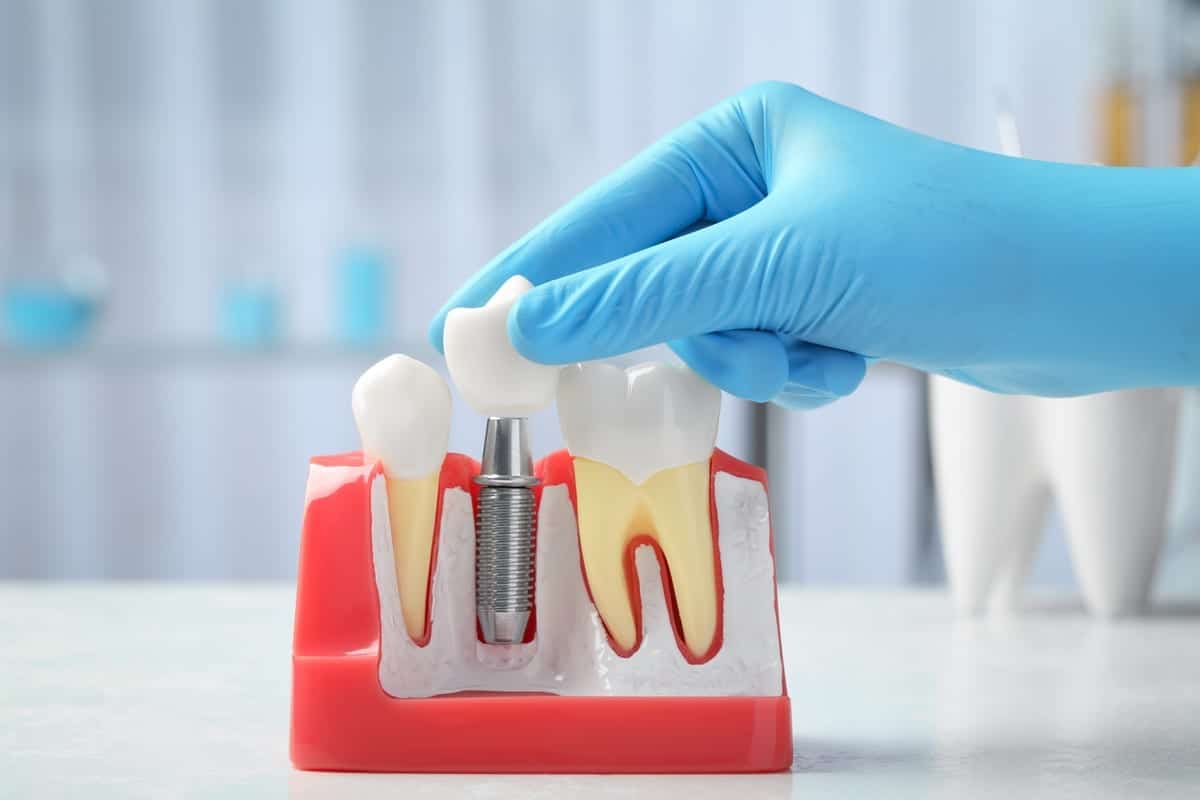
A dental crown is a cap that fits over a damaged or weakened tooth. It restores the tooth’s shape, size, strength, and appearance. Crowns are made from porcelain, ceramic, metal, or a combination of materials. They protect the underlying tooth structure from further damage or fracture.
Crowns are not the same as fillings. A filling repairs a small area of decay. A crown covers the entire visible portion of the tooth above the gumline. When damage is too extensive for a filling to hold, a crown becomes the appropriate clinical solution.
- Restores full chewing function to a damaged tooth
- Prevents a cracked or weak tooth from splitting further
- Protects a tooth after root canal treatment
- Replaces a broken or heavily filled tooth structure
- Supports a dental bridge when adjacent teeth are involved
Clinical Reason 1 — You Have a Cracked or Fractured Tooth
Cracked teeth are more common than most patients realize. Grinding, chewing hard foods, or even temperature changes can cause a tooth to crack. A crack does not always cause immediate pain. However, it creates a pathway for bacteria and puts the tooth at serious risk.
When a crack extends toward the root, a filling cannot seal it. The crack continues to flex every time you bite down. Over time, the tooth can split completely — which may result in extraction. A crown holds the cracked tooth together and prevents the crack from deepening.
Dr. Eze uses diagnostic imaging and clinical examination to assess crack depth and severity. Not every crack requires a crown, but many do. Catching it early means saving the tooth before the crack becomes irreparable.
Clinical Reason 2 — A Large Filling Has Failed or Is at Risk
Old fillings do not last forever. Over time, metal amalgam and composite fillings can wear down, chip, or pull away from the tooth margin. When this happens, bacteria sneak into the gap and cause secondary decay underneath the filling.
Sometimes a filling simply takes up too much of the tooth. When more than half of the tooth’s surface is filled material, the remaining natural tooth walls become fragile. Biting forces can cause those thin walls to crack or break off. At that point, replacing the old filling with another filling is not enough.
A crown covers the entire tooth and distributes biting pressure evenly. It eliminates the fragile tooth walls that a large filling cannot protect. This is one of the most common clinical reasons dentists in Sacramento recommend crowns for back teeth.
Why Crowns Are Recommended After Root Canal Treatment in Sacramento
Root canal treatment removes infected pulp tissue from inside the tooth. This saves the tooth from extraction and eliminates the source of infection. However, the procedure also changes the internal structure of the tooth significantly.
After a root canal, the tooth becomes more brittle. It no longer has a living pulp to supply moisture and nutrients to the surrounding dentin. Back teeth — molars and premolars — endure heavy chewing forces every day. A brittle molar without a crown is highly likely to fracture under that pressure.
Placing a crown after root canal treatment is standard clinical protocol for most posterior teeth. It seals the access point used during the procedure. It also restores full function and dramatically reduces the risk of fracture. Skipping the crown after a root canal can undo all the work that was done to save the tooth.
- Root canal removes infected tissue and cleans the canals
- The tooth is sealed with a temporary or permanent filling
- A crown is placed to protect and restore the full tooth
- The restored tooth functions normally for many years with proper care
Clinical Reason 3 — A Broken Cusp or Severely Damaged Tooth Structure
Cusps are the pointed tips of your back teeth. They bear the brunt of chewing. A broken cusp can happen suddenly — biting into something hard — or gradually from years of grinding and wear. When a cusp breaks off, the tooth loses its natural shape and its ability to chew properly.
A broken cusp exposes the inner layers of the tooth to bacteria and temperature sensitivity. It can be painful, or it can go unnoticed until the damage becomes severe. Either way, a broken cusp rarely heals on its own.
If the break is small, a filling or bonding may be sufficient. But if the broken cusp compromises the structural integrity of the tooth, a crown is the more durable and reliable solution. Dr. Eze evaluates each case individually to determine the most conservative appropriate treatment.
When Should You Seek Emergency Care for a Damaged Tooth?
Some crown-related situations require urgent attention. Severe tooth pain, a visibly broken tooth, or a lost crown can all create vulnerable conditions. Leaving a broken or unprotected tooth untreated can accelerate damage and increase the complexity of future treatment.
If you experience sudden tooth pain or breakage, Emergency Dental Services at Bubbles Dental are available to address your needs quickly. Dr. Eze and the team are experienced in assessing urgent dental situations and providing same-day guidance when possible. Prompt care often means the difference between saving and losing a tooth.
Families with younger patients may also benefit from knowing that Pediatric Teledentistry options exist for convenient remote consultations. This can be especially helpful for parents navigating dental concerns for children between in-office visits.
What to Expect During the Crown Process at Bubbles Dental
Getting a crown typically takes two appointments at most dental practices. During the first visit, Dr. Eze prepares the tooth by removing a small layer of enamel. This creates space for the crown to fit without feeling bulky. An impression or digital scan is taken so the crown is fabricated to fit precisely.
A temporary crown protects the tooth between appointments. On the second visit, the permanent crown is placed and adjusted for a comfortable bite. Modern crowns are crafted to match your natural tooth color. Most patients adapt to the feel of a new crown within a few days.
- Local anesthesia keeps the preparation appointment comfortable
- Digital scans provide accurate crown fit without messy impressions
- Tooth-colored materials blend seamlessly with surrounding teeth
- Crowns can last 10 to 15 years or longer with proper care
Conclusion — Your Crown Recommendation Is About Protecting Your Smile
A crown recommendation is not something to fear or delay. It is a clinical judgment made to protect a tooth that can no longer protect itself. Whether you have a cracked tooth, a failing large filling, a post-root-canal molar, or a broken cusp, the crown is designed to give that tooth a long and functional future. Dr. Kenechukwu Eze at Bubbles Dental in Sacramento is committed to explaining every recommendation clearly so you understand exactly why a particular treatment is right for you. Book Now to schedule your appointment with our team.
Frequently Asked Questions
Does getting a dental crown hurt?
The crown preparation appointment is performed under local anesthesia, so you should not feel pain during the procedure. Some sensitivity is normal for a few days afterward. Dr. Eze uses gentle techniques to keep the experience as comfortable as possible for every patient at Bubbles Dental.
How long does a dental crown last?
Most dental crowns last between 10 and 15 years. With excellent oral hygiene and regular checkups, many crowns last even longer. Habits like grinding your teeth or chewing ice can shorten a crown’s lifespan, so protective measures may be recommended.
Can a tooth still decay under a crown?
Yes, the tooth structure beneath a crown can still develop decay, particularly at the margin where the crown meets the gumline. Regular brushing, flossing, and dental checkups help prevent decay from forming under or around a crown. This is why routine visits remain important even after a crown is placed.
Is a crown always necessary after a root canal?
For most back teeth — molars and premolars — a crown after root canal treatment is strongly recommended. These teeth handle significant chewing pressure and are more likely to fracture without a crown. Front teeth sometimes can be restored with a different approach, but Dr. Eze will evaluate the best option for your specific tooth.
What happens if I delay getting a recommended crown?
Delaying a crown can allow a weakened tooth to crack further, fracture, or develop new decay. In some cases, a tooth that could have been saved with a crown may eventually require extraction. Acting on the recommendation promptly is almost always the more conservative and cost-effective choice.