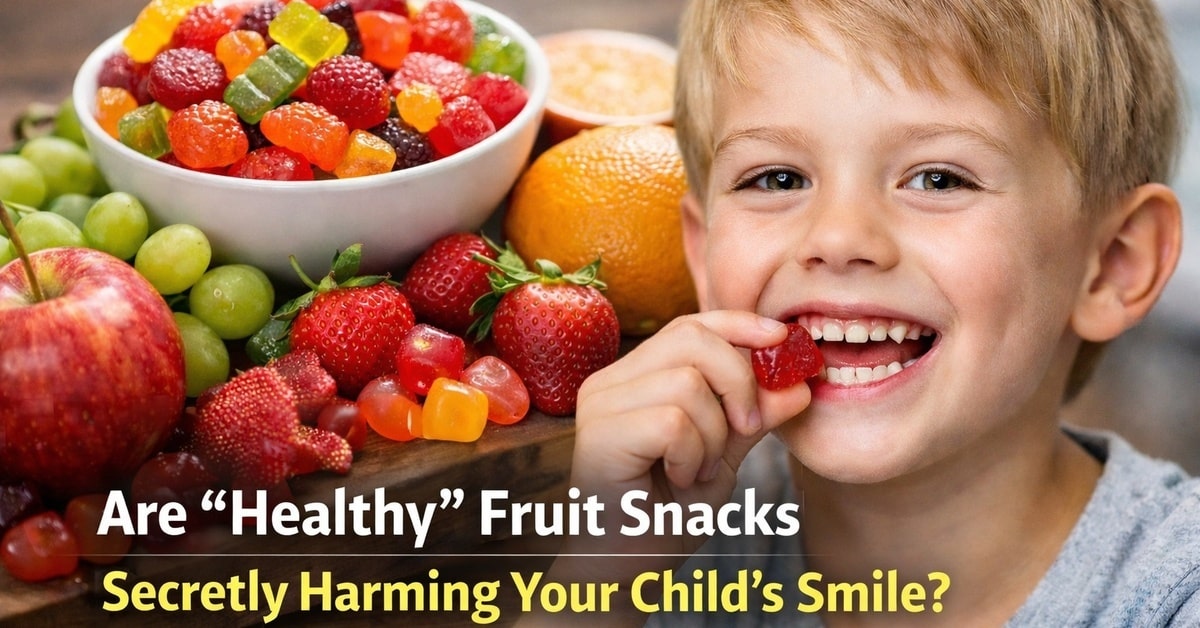
February 2026 has arrived, bringing with it National Children’s Dental Health Month (NCDHM) across the United States. This month is a dedicated time for us to look more closely at the habits shaping our children’s oral health. One of the most persistent challenges we encounter in our dental practice isn’t just the obvious candy bars or sodas; it is the “healthy” snacks that parents buy with the best intentions. Fruit snacks, specifically, have become a staple in lunchboxes. They are marketed as being made with real fruit and packed with Vitamin C, but from a clinical perspective, they often behave more like gummy bears than actual produce.
Understanding the difference between what a label says and how a food interacts with a child’s tooth anatomy is the first step in true prevention. When a child eats a whole apple, the fiber helps scrub the teeth, and the water content dilutes the natural sugars. However, when that fruit is processed into a sticky concentrate, it loses its beneficial structure and gains a texture that is harmful to dental health.
The Sticky Situation: Why Texture Matters More Than You Think
The primary issue with fruit snacks isn’t just the sugar—it’s the tenacity. These treats are designed to be chewy and resilient, which means they can easily lodge in the deep grooves and fissures of a child’s molars. Unlike a piece of chocolate that might melt away or a cracker that eventually dissolves, gummy fruit snacks can remain stuck in those crevices for hours. This creates a “slow-release” sugar buffet for the bacteria in the mouth.
As a parent, you might notice your child’s teeth look clean after a snack, but the real trouble is hidden where the toothbrush bristles can’t easily reach. Because we see so many families seeking a pediatric dentist near Sacramento, we often discuss how our local “on-the-go” lifestyle contributes to this. Between soccer practice at Granite Park and weekend trips to the Sacramento Zoo, it is tempting to reach for a convenient pouch of gummies. Unfortunately, without immediate brushing, that sticky residue can lower the mouth’s pH almost instantly, leading to enamel demineralization.
The Science of the “Acid Attack” Cycle
Every time your child consumes something sugary or starchy, the bacteria in their mouth produce acid as a byproduct of digesting those carbs. This acid lowers the pH in the mouth to a level where the enamel—the protective outer layer of the tooth—actually begins to soften and dissolve. In a healthy mouth, saliva acts as a buffer to neutralize this acid and provide minerals like calcium and phosphate to “re-harden” the tooth.
However, saliva needs time to do its job. If a child snacks on sticky fruit treats throughout the day, their mouth remains in a constant state of acidity. The teeth never get a “break” to recover and remineralize. According to the American Academy of Pediatric Dentistry, dental caries remains the most common chronic childhood disease, and frequent exposure to fermentable carbohydrates is the leading culprit. By providing consistent pediatric dentistry services near Sacramento, we aim to help parents break this cycle by choosing snacks that don’t linger.
Better Alternatives for a Better NCDHM
- Cheese Cubes: Cheese is a dental “superfood.” It is rich in calcium and helps neutralize mouth acids.
- Crisp Vegetables: Carrots and celery sticks act like natural toothbrushes, stimulating saliva and mechanically cleaning the teeth.
- Plain Yogurt with Fresh Berries: You get the benefits of probiotics and calcium without the concentrated stickiness of processed fruit.
- Apple Slices with Nut Butter: This provides sweetness and fiber along with healthy fats that help prevent sugar from sticking to the enamel.
Making these swaps doesn’t just protect against cavities; it sets a standard for how your child views nutrition and health. When you visit a pediatric dentist near Sacramento, we support small, daily changes to ensure that the work we do in the office is reinforced by great habits at home.
Building a Routine That Sticks (Unlike the Snacks)
Establishing a solid oral hygiene routine is especially important during National Children’s Dental Health Month. We encourage parents to use this February as a “reset” month. If fruit snacks have become a daily habit, try replacing them with “crunchy” options for two weeks and see if you notice a difference in your child’s plaque levels.
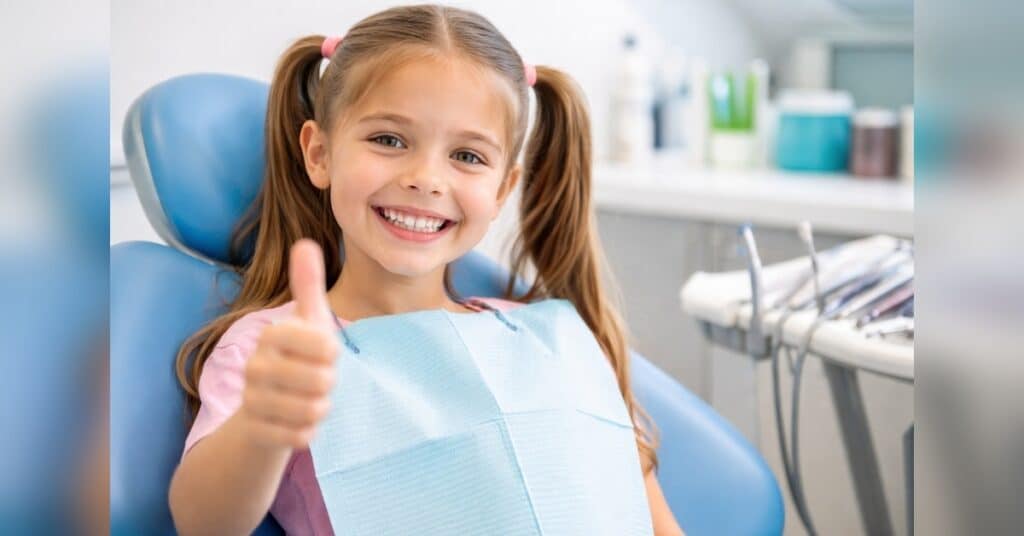
Education is a powerful tool. Show your child how a gummy bear sticks to a plate and compare it to how a piece of apple doesn’t. When kids understand why we ask them to choose certain foods, they are much more likely to cooperate. Our goal is to empower every family in the Sacramento area to feel confident in their choices, knowing they are protecting their child’s long-term wellness.
National Children’s Dental Health Month is the perfect time to evaluate the small details of your child’s diet. While fruit snacks are convenient, the long-term cost to their dental health can be significant. By choosing whole foods and maintaining regular professional checkups, you can ensure that your child’s smile stays as vibrant as their personality.
The best way to celebrate NCDHM is to stay proactive. We are here to provide the support and education your family needs to thrive. A healthy smile is a team effort, and we are proud to be part of yours.
Contact Bubbles Dental today to schedule an appointment, and let’s work together to keep those smiles healthy and bright all year long!
Common Queries
Are “organic” fruit snacks better for teeth?
While organic snacks might avoid certain dyes or pesticides, the sugar and stickiness remain the same. From a dental perspective, your mouth doesn’t distinguish between organic cane sugar and standard sugar. The physical properties of the snack—how it sticks to the teeth—are what matter most for cavity prevention.
How soon after a sticky snack should my child brush their teeth?
Ideally, they should brush immediately. However, if you are out and about in Sacramento and don’t have a toothbrush handy, have them rinse vigorously with plain water. This helps dislodge larger particles and allows saliva to begin the neutralization process more quickly.
Is fruit juice just as bad as fruit snacks?
Juice can be equally damaging because it lacks the fiber of the whole fruit and often contains high concentrations of acid and sugar. We recommend limiting juice to 4–6 ounces a day and serving it only at mealtimes, rather than allowing a child to sip from a sippy cup throughout the day.
Can sugar-free gum help if my child ate something sticky?
For older children (usually ages 6 and up), chewing sugar-free gum with xylitol is an excellent way to stimulate saliva flow after a meal. Xylitol is a natural sweetener that actually inhibits the growth of the bacteria that cause cavities.